Your Morning Coffee Is Working Against Your Keto Goals — Here's the Fix
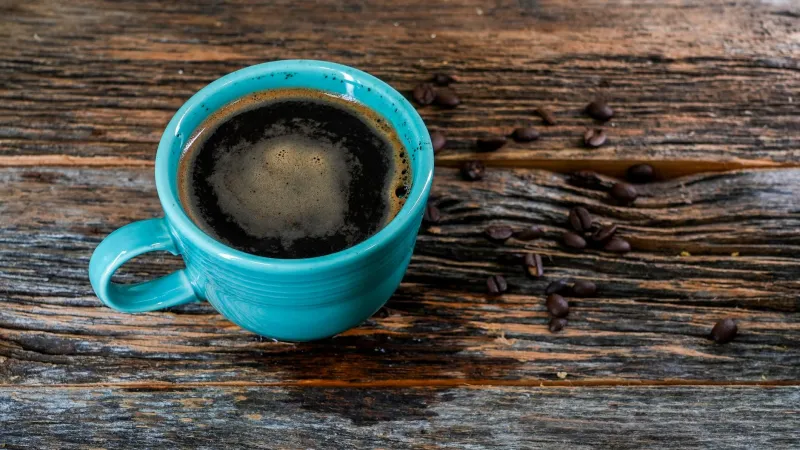
For most people doing keto, the morning routine looks pretty predictable: wake up, skip breakfast, pour a big mug of black coffee, and feel like you're absolutely crushing the fat-burning game. No carbs, no sugar, no problem — right?
Not exactly.
Here's the thing nobody talks about at the start of their keto journey: caffeine is metabolically active. It's not just a pick-me-up. It interacts with your hormones, your blood sugar regulation, and your insulin sensitivity in ways that can quietly chip away at the very fat-burning state you're working so hard to maintain. And depending on how, when, and what you're drinking, your morning ritual might be doing more harm than good.
Let's break it down.
What Caffeine Actually Does to Your Body on Keto
When you drink coffee — especially on an empty stomach — your body responds by releasing cortisol, your primary stress hormone. Cortisol is a natural part of your wake-up cycle anyway (it peaks in the early morning hours), but layering caffeine on top of that natural spike amplifies the effect.
Here's where it gets tricky for keto folks: elevated cortisol signals your liver to release glucose into the bloodstream through a process called gluconeogenesis. Your body literally manufactures sugar from non-carb sources — amino acids, glycerol, lactate — and dumps it into circulation. Blood glucose goes up. Insulin follows. And when insulin rises, fat oxidation slows down.
You didn't eat a single carb. But your body responded like you kind of did.
For someone eating a standard American diet, this is barely a blip. But when you're in ketosis and your entire metabolic strategy depends on keeping insulin low and fat burning high, even a modest insulin bump matters more than you'd think.
The Empty Stomach Problem
Black coffee on an empty stomach is practically a keto tradition. It seems logical — no calories, no carbs, nothing to disrupt your fast. But the cortisol spike from fasted caffeine consumption tends to be more pronounced than when caffeine is consumed alongside food.
Some research suggests that people who drink coffee immediately upon waking — before their cortisol naturally begins to taper — experience stronger stress hormone responses and more disrupted glucose regulation throughout the day. The result can be increased cravings, shakiness, and difficulty staying in a deep fat-burning state, even if your macros look perfect on paper.
If you've ever had a morning where you drank three cups of black coffee, felt wired and anxious, then crashed and wanted to eat everything in sight by 11 a.m. — this is probably why.
Energy Drinks Are an Entirely Different Problem
If you've swapped coffee for a keto-friendly energy drink, you might think you're in the clear. Some of these products are legitimately clean — no sugar, reasonable caffeine, maybe some B vitamins and electrolytes. But plenty of popular options on American shelves are loaded with hidden issues.
Artificial sweeteners like sucralose and acesulfame potassium, which appear in a huge number of "zero sugar" energy drinks, have been shown in some studies to affect insulin sensitivity and alter gut microbiome composition over time. Neither of those outcomes is great for someone trying to optimize fat metabolism.
Beyond sweeteners, the caffeine doses in energy drinks tend to be significantly higher than a standard cup of coffee — sometimes 200 to 300 mg per can. That's a much bigger cortisol trigger, especially first thing in the morning or pre-workout in a fasted state.
Timing Is Everything
One of the most evidence-supported strategies for mitigating caffeine's metabolic interference is simply waiting. Delaying your first cup of coffee by 60 to 90 minutes after waking gives your natural cortisol curve time to peak and begin declining on its own. When you add caffeine after that initial drop, the hormonal amplification effect is far less dramatic.
This is sometimes called "cortisol-aware" caffeine timing, and it's gaining traction among biohackers and metabolic health researchers alike. You don't have to give up coffee. You just have to stop drinking it the second your eyes open.
Another useful strategy: if you're going to have caffeine, pair it with something that blunts the cortisol response. A small amount of fat — like a tablespoon of heavy cream, a splash of MCT oil, or even a few bites of a high-fat keto food — can soften the hormonal spike without meaningfully disrupting your fast or your ketosis.
What to Drink Instead (Or Alongside)
You don't have to ditch caffeine to protect your fat burn. You just need to be a little more strategic about it.
Matcha over drip coffee. Matcha contains a compound called L-theanine that naturally moderates caffeine's stimulant effect. The result is a smoother, more sustained energy lift with less of the cortisol spike. It's also rich in antioxidants and has been associated with improved fat oxidation in some studies. If you haven't tried it, a plain matcha latte made with unsweetened almond milk is a solid keto-friendly morning option.
Mushroom coffee blends. Products like Four Sigmatic and similar adaptogenic coffee blends mix regular coffee with functional mushrooms like lion's mane and chaga. These adaptogens help modulate the stress response, meaning you get the caffeine without as much of the cortisol amplification. They're widely available at Whole Foods and Target, and they taste surprisingly normal.
Bulletproof-style coffee — but done right. The classic butter coffee approach (blending coffee with grass-fed butter and MCT oil) has been around for years in the keto world, and there's actually a solid rationale for it. The fat content slows caffeine absorption, reduces cortisol impact, and provides a clean fuel source that supports ketone production. Just watch your total calorie intake if fat loss is your primary goal.
Plain sparkling water with electrolytes. Sometimes what you actually need in the morning isn't caffeine at all — it's hydration and minerals. After eight hours of sleep, your body is mildly dehydrated and often low on sodium, potassium, and magnesium. A glass of sparkling water with a pinch of pink Himalayan salt and a squeeze of lemon can do more for your morning energy than a second cup of coffee ever will.
The Bottom Line
Caffeine isn't the enemy of keto. But treating it like a metabolically neutral substance — something you can chug in unlimited quantities at any time without consequence — is a mistake that a lot of keto dieters make without realizing it.
The cortisol-insulin connection is real, the timing matters, and what you're adding to your cup matters too. A few small adjustments — waiting an hour before your first cup, choosing lower-cortisol options like matcha, or pairing your coffee with a little fat — can make a meaningful difference in how deeply your body burns fat throughout the day.
Your keto diet is doing a lot of heavy lifting. Make sure your caffeine habit is working with it, not against it.