Your Jeans Fit Better But the Scale Says the Same — Here's the Keto Truth Nobody Tells You
The Scale Is Lying to You (Sort Of)
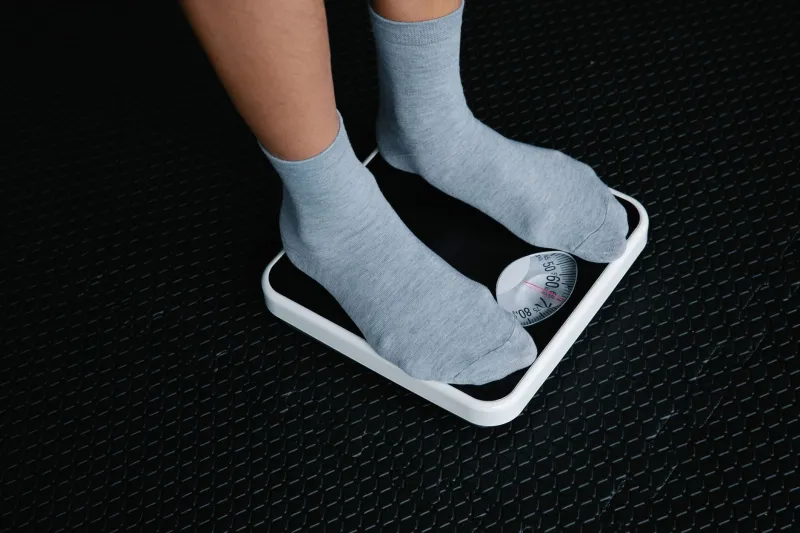
Here's a scenario a lot of keto folks know way too well: You've been dialing in your macros, skipping the bread basket, and staying under 20 grams of carbs a day. Your belt is on a tighter notch. Your coworker asked if you've been working out. But then you step on the scale — and it's barely moved.
Cue the frustration spiral.
Before you convince yourself that keto isn't working and reach for a slice of pizza, take a breath. What you're experiencing has a name, and it's actually a sign that your body is doing something pretty remarkable. Welcome to one of the most misunderstood aspects of the ketogenic journey: the gap between fat loss and weight loss.
They are not the same thing. And once you understand why, you'll probably never look at that number on the scale the same way again.
What the Scale Actually Measures (Hint: It's Not Just Fat)
Your body weight is a mashup of a whole lot of things — fat tissue, muscle, bone density, water, organ mass, even the food currently working its way through your digestive system. When you step on a scale, all of that gets lumped into one number.
Fat loss, on the other hand, is specifically about reducing your adipose tissue — the stored fat your body is actively burning for fuel. On keto, your body shifts into fat-burning mode (ketosis) and starts torching that stored fat for energy. But here's the catch: while fat is quietly disappearing, other things are happening simultaneously that can offset that loss on the scale.
This is what researchers and fitness pros call a body composition shift — and it's arguably more meaningful than any number your bathroom scale can produce.
The Muscle Factor: Why Getting Stronger Can Mask Your Progress
One of the biggest reasons the scale stalls while your body visibly changes? Muscle.
Many people who adopt keto also start moving more — whether that's hitting the gym, going on daily walks, or doing bodyweight workouts at home. And when you're eating adequate protein (which keto encourages), your body has the building blocks to develop lean muscle tissue.
Here's the thing about muscle: it's denser than fat. A pound of muscle takes up significantly less physical space than a pound of fat. So as you gain even a modest amount of lean mass while simultaneously losing fat, your body can look and feel dramatically different — while the scale barely registers the change.
This is exactly why someone can drop two clothing sizes and still weigh the same as they did six months ago. The composition of their body has fundamentally shifted, even if the total weight hasn't.
Water Weight: The Wildcard Nobody Talks About Enough
Water retention is another major player in the scale drama. And on keto, water behaves in some genuinely interesting ways.
In the early days of going keto, most people drop several pounds fast — sometimes five to ten pounds in the first week. That's mostly water. Carbohydrates cause your body to hold onto glycogen, and glycogen binds with water. When you cut carbs, glycogen stores deplete, and all that water flushes out.
But later in your keto journey, water can work against the scale in a different way. Exercise causes micro-tears in muscle fibers, and your body sends water to those areas to help with repair. If you've recently ramped up your workouts, you might be holding onto extra water as part of the recovery process — which shows up as a flat or even slightly higher number on the scale.
Hormonal fluctuations, sodium intake, and even stress levels can all cause temporary water retention that has zero to do with actual fat gain. Recognizing this keeps you from making rash decisions based on a number that's only telling part of the story.
Real People, Real Results — Even When the Scale Disagrees
Talk to anyone who's been doing keto for more than a few months and you'll hear versions of the same story. Sarah from Ohio dropped 30 pounds in her first four months, then hit a three-week stretch where the scale didn't budge — but her arms got noticeably more defined and her size 14 jeans became a size 10. Marcus from Atlanta watched the scale stall for nearly a month while his waist measurement dropped two full inches.
These aren't anomalies. They're what happens when your body is actively reshaping itself at the tissue level, even when the gross weight isn't changing. The keto process doesn't pause just because the scale does.
Better Ways to Track Your Actual Progress
If the scale is giving you anxiety, it might be time to add some other tools to your tracking routine. Here are a few that paint a much more complete picture:
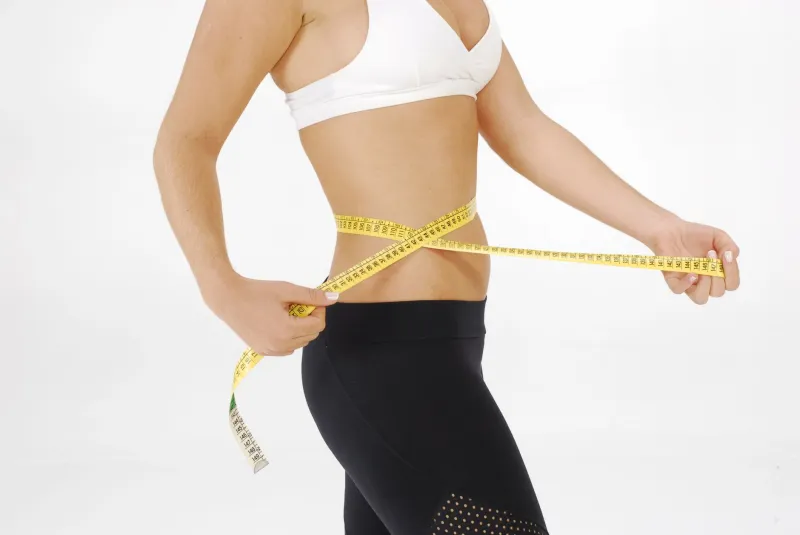
Tape measurements — Grab a flexible measuring tape and track your waist, hips, chest, thighs, and upper arms every two to four weeks. Inches lost is often a more accurate reflection of fat loss than pounds.
Progress photos — Take photos in the same lighting, same outfit, same time of day. Visual changes are often striking even when the scale is quiet. Give yourself at least a month between comparison photos.
How your clothes fit — This sounds simple, but it's one of the most honest metrics out there. If you're moving down in clothing sizes, something real is happening.
Body fat percentage — Tools like DEXA scans, hydrostatic weighing, or even a decent body fat scale (used consistently) give you a breakdown of fat mass versus lean mass. Watching your body fat percentage drop while your weight holds steady is basically the definition of successful body recomposition.
Energy and performance — Are you lifting more? Running farther? Sleeping better? Feeling sharper mentally? These are real, meaningful markers of metabolic health that no scale can capture.
Why This Is Actually Really Good News
Here's the reframe that changes everything: if your body is simultaneously losing fat and building lean muscle — even in small amounts — you are doing something far more valuable than just losing weight. You're changing the underlying architecture of your body.
Lean muscle tissue burns more calories at rest than fat does. That means even when you're sitting on the couch, a more muscular body is a more metabolically active one. By building muscle while burning fat, you're essentially upgrading your body's engine — making it easier to maintain your results long term.
That's not a plateau. That's body recomposition, and it's one of the best outcomes you can hope for on any diet or fitness program.
Stop Letting One Number Define Your Journey
Keto works differently for everyone, and the timeline of visible results varies. But if you're seeing physical changes — looser clothes, better muscle definition, more energy, clearer skin — your body is responding. Don't let a stubborn scale convince you otherwise.
Weigh yourself if it helps you stay accountable, but treat it as one data point among many. The full story of your keto transformation is being written in your energy levels, your measurements, your strength, and yeah — the fact that those jeans you haven't worn in three years just zipped right up.
That's not nothing. That's everything.