Getting Leaner and Stronger Without Ever Stepping Foot in a Gym — Keto's Weirdest Secret
Let's be honest. Most of us have started a diet with the full intention of also hitting the gym five days a week, meal prepping on Sundays, and basically becoming a different person by March. And then life happens. Work runs long, the kids need something, the couch calls your name, and suddenly the "new you" plan quietly fades into the background.
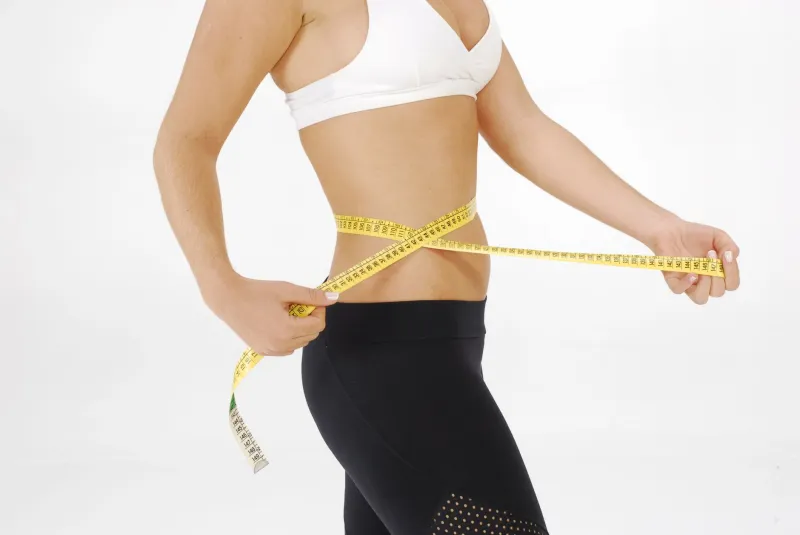
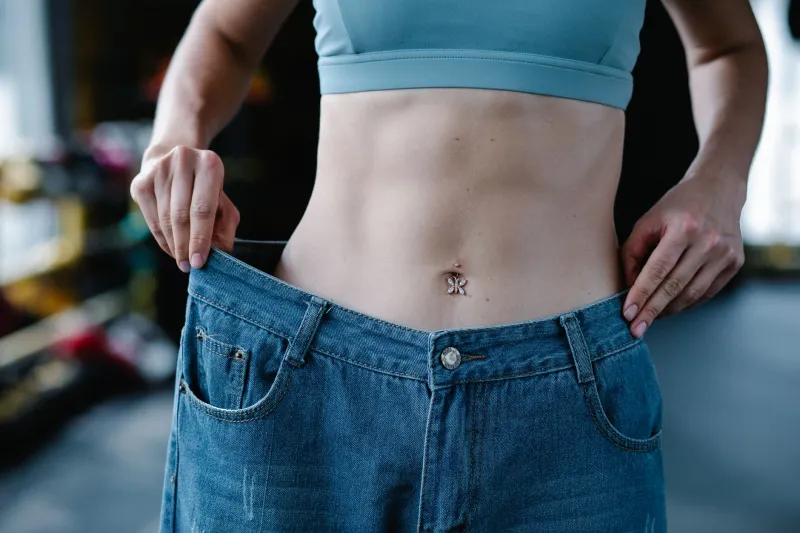
But here's something a lot of keto followers quietly discover a few weeks in: their clothes are looser, their arms look a little more cut, and they feel genuinely stronger — even though they haven't done a single lunge or dumbbell curl. If that sounds like your situation right now, you're not imagining things. There's real science behind what's happening, and it's one of the more surprising perks of going keto.
Your Body Is Doing Something Unusual When You Burn Ketones
When you cut carbs low enough to enter ketosis, your liver starts converting fat into molecules called ketones. Your brain, heart, and muscles all start running on these ketones instead of glucose. That's the basic pitch you've probably already heard.
What's less talked about is how ketone metabolism interacts with muscle tissue. In a standard calorie-deficit diet — think low-fat, calorie-counting approaches — your body tends to pull from both fat stores and lean muscle mass for energy. That's partly why people on conventional diets often end up "skinny fat," meaning they lose weight but still look soft and undefined.
Keto changes that equation. Research suggests that ketone bodies, particularly beta-hydroxybutyrate (BHB), have a muscle-sparing effect. BHB appears to signal the body to hold onto lean tissue even while aggressively tapping fat reserves. Some studies point to reduced protein breakdown during ketosis, which means your muscle fibers are better protected even when you're not actively stressing them through exercise.
So when you're losing inches around your waist but not losing much functional strength, that's likely ketone metabolism doing exactly what it's supposed to do.
The Appetite Suppression Effect Is a Bigger Deal Than People Realize
One of the most common things people say after going keto is that they're just... not that hungry anymore. You might go from thinking about food every two hours to genuinely forgetting to eat lunch. That's not willpower — that's biology.
Keto naturally stabilizes blood sugar and keeps insulin levels low, which dramatically reduces the blood sugar crashes that trigger hunger and cravings. On top of that, dietary fat and protein are both significantly more satiating than carbohydrates. When you're eating eggs and avocado in the morning, you're simply not going to be raiding the vending machine at 10 a.m.
The result? Most people eating keto end up in a natural calorie deficit without tracking a single macro or weighing a single ounce of chicken breast. They eat less because they're genuinely less hungry, not because they're white-knuckling it through deprivation.
A natural calorie deficit sustained over weeks and months is one of the most powerful fat-loss tools in existence. And when it's paired with the muscle-sparing effect of ketosis, you get a combination that quietly reshapes your body composition even on the laziest of weeks.
Why You Feel Stronger Without Actually Training
This one surprises people the most. You haven't done a push-up in three weeks, but somehow carrying boxes up the stairs feels easier. What gives?
A few things are likely going on here. First, fat loss itself makes physical activity easier. Carrying around 15 fewer pounds of body fat means every movement — walking, climbing stairs, lifting things at work — requires less effort from your muscles. Your relative strength goes up simply because your body weight goes down.
Second, inflammation drops significantly on a well-formulated keto diet. Processed carbs and sugar are major drivers of systemic inflammation, and when you remove them, a lot of people report less joint pain, less general achiness, and a feeling of physical ease they hadn't experienced in years. That reduction in background discomfort translates into feeling more capable and physically confident.
Third, ketones themselves appear to improve mitochondrial function — essentially making your cells better at producing energy. When your cellular energy production is running more efficiently, everyday tasks feel less taxing. It's not that you've built new muscle; it's that your existing muscle is working better.
What This Doesn't Mean (And Why That Matters)
Okay, real talk for a second. None of this is an argument that keto replaces exercise. It absolutely doesn't, and anyone telling you otherwise is selling something.
What keto does is give your body a metabolic environment where positive changes can happen even in the absence of structured training. Think of it as a floor — a baseline level of body composition improvement that happens just from eating the right way. If you layer actual exercise on top of that, the results compound significantly. Strength training in particular pairs beautifully with keto because it gives your muscle-sparing hormonal environment something to build on.
But for busy Americans who can't commit to a gym schedule right now — parents, professionals, people going through demanding seasons of life — keto offers something genuinely valuable: meaningful physical change that doesn't require a 6 a.m. workout alarm.
Making the Most of Keto's Lazy Fitness Effect
If you want to maximize what your body naturally does on keto without formal exercise, a few habits can amplify the effect:
Eat enough protein. This is where a lot of people go wrong. Keto isn't just high fat — you need adequate protein to support the muscle-sparing effect. Aim for roughly 0.7 to 1 gram per pound of your target body weight. Think ground beef, eggs, chicken thighs, Greek yogurt if it fits your carb count.
Move casually but consistently. You don't need the gym, but daily movement matters. Walking is genuinely underrated. A 20-minute walk after dinner does more for your metabolism and body composition than most people give it credit for.
Don't slash calories on top of keto. Because keto naturally reduces appetite, some people accidentally eat too little. Chronically under-eating signals your body to slow metabolism and can undermine the muscle-sparing benefits. Eat until you're satisfied — just let the food do its job.
Stay consistent with your carb limits. The muscle-sparing and fat-burning effects depend on staying in ketosis. Frequent carb reintroductions disrupt the hormonal environment that makes all of this work.
The Bottom Line
Keto has a reputation as a weight-loss diet, and it absolutely is. But the way it produces results — through ketone metabolism, appetite regulation, inflammation reduction, and improved cellular energy — means that body composition changes in ways that go beyond just the number on the scale.
Losing fat while preserving muscle, feeling stronger without training, and noticing your clothes fit differently before your gym routine ever gets off the ground — these aren't flukes. They're the predictable outcome of your metabolism running on a different fuel source.
So if life has kept you away from the gym lately, don't stress it too much. Keep your carbs low, eat real food, and let your body do what it does. The results might genuinely surprise you.