Why Your Body Gets Better at Staying Stuck: The Truth About Metabolic Adaptation on Keto
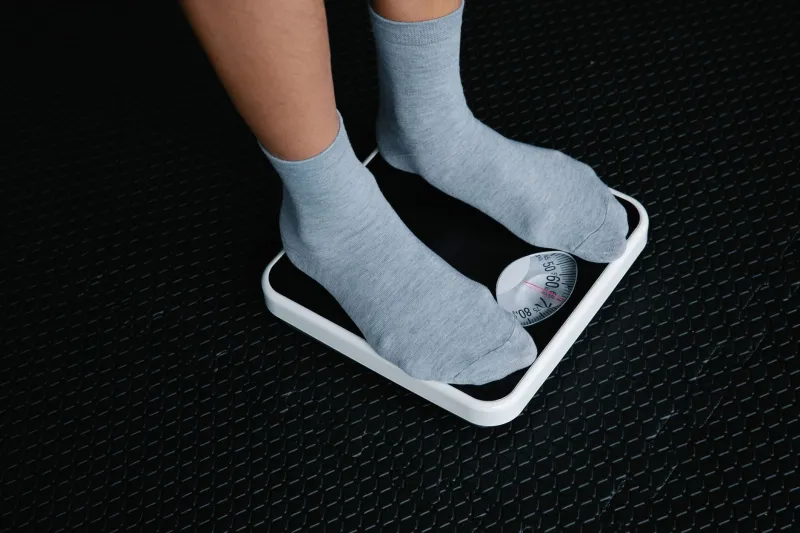
You're Not Failing Keto — Keto Is Just Running Into Biology
There's a moment a lot of keto dieters know all too well. The first few weeks are electric — the scale drops, energy picks up, clothes fit differently. Then, somewhere around week six or eight or twelve, everything just... stops. You didn't change anything. You're still eating the same meals, hitting the same macros, avoiding the same foods. And yet the number on the scale hasn't budged in three weeks.
Before you start second-guessing yourself or assuming you're doing something wrong, here's what you need to understand: your body is adapting. And it's doing so in ways that are remarkably sophisticated — and genuinely inconvenient.
This process has a name: adaptive thermogenesis. And getting familiar with it might be the most useful thing you do for your keto journey this year.
What Adaptive Thermogenesis Actually Means
Your metabolism isn't a fixed engine running at a constant speed. It's more like a thermostat that's constantly recalibrating based on input — how much you eat, how much you move, how much you weigh, and how long you've been in a calorie deficit.
When you lose weight, a few things happen automatically. First, your body simply needs fewer calories to function because there's less of you to maintain. That part makes intuitive sense. But adaptive thermogenesis goes further than that. Research has shown that your body actually downregulates its energy expenditure beyond what you'd predict from the weight loss alone. In plain terms, your metabolism slows down more than it should, as if your body is compensating for the deficit you've created.
Hormones play a big role here. Leptin — the hormone that signals fullness and keeps your metabolism humming — drops significantly when body fat decreases. Lower leptin tells the brain that energy stores are running low, which triggers a cascade of responses designed to conserve fuel: reduced body temperature, decreased spontaneous movement (you fidget less without realizing it), and slower metabolic rate overall.
This isn't a keto-specific phenomenon, by the way. It happens on any diet that creates a sustained calorie deficit. But on keto, where people often experience dramatic early results, the plateau that follows can feel especially jarring.
True Plateau vs. Temporary Stall — Know the Difference
Not every slowdown is a full metabolic plateau. Before overhauling your entire approach, it's worth figuring out which situation you're actually in.
A temporary stall usually lasts one to three weeks and often has a straightforward explanation: water retention from increased sodium intake, hormonal shifts (especially in women during certain phases of their cycle), muscle gain offsetting fat loss, or simply normal week-to-week fluctuation. If you're still losing inches even when the scale isn't moving, you're probably in a stall, not a true plateau.
A true metabolic plateau tends to persist for four weeks or more despite consistent effort, and it's often accompanied by other signs — feeling colder than usual, lower energy, reduced workout performance, or just a general sense that your body has "settled in" at its current weight.
If you're in the second category, it's time to get strategic.
Electrolyte Cycling: The Underrated Reset Button
Most keto dieters know that electrolytes matter — sodium, potassium, and magnesium are constantly talked about in this space. But fewer people think about cycling their electrolyte intake as a way to shake up metabolic signaling.
Here's the logic: consistent, predictable intake patterns (including micronutrients) can contribute to metabolic monotony. Some practitioners find that strategically varying sodium intake — going higher on intense training days and pulling back slightly on rest days — can influence aldosterone and fluid balance in ways that keep the body from fully "settling."
This isn't a magic fix, and the research is still developing. But if you've been eating the same foods with the same electrolyte routine for months, mixing things up costs you nothing and might be worth experimenting with.
Strategic Refeeds: Not a Cheat Day, Not Even Close
A refeed is not an excuse to eat pizza and call it science. It's a deliberate, controlled increase in calories — specifically from carbohydrates — designed to temporarily elevate leptin levels and signal to your body that it's not in a famine.
On keto, a true refeed looks a little different than it does on a standard diet. Rather than going full carbpocalypse, some keto practitioners opt for a targeted refeed using cleaner carb sources (sweet potato, white rice, fruit) for one meal or one day, then returning to strict ketosis immediately after. The goal is a brief hormonal reset, not a week-long detour.
The evidence on refeeds is genuinely promising. Studies have shown that periodic higher-calorie, higher-carb days can partially restore leptin sensitivity and temporarily boost thyroid hormone output — both of which support a more active metabolism. The key word is periodic — doing this every weekend defeats the purpose.
A reasonable starting point: one structured refeed every three to four weeks if you've been in a confirmed plateau.
Exercise Variation: Your Metabolism Adapts to Workouts Too
Here's something that doesn't get talked about enough — your body adapts to exercise the same way it adapts to diet. If you've been doing the same 45-minute treadmill session five days a week for the past two months, your metabolism has almost certainly adjusted to that stimulus. You're burning fewer calories doing it than you did on day one.
The fix isn't necessarily more exercise — it's different exercise. A few changes worth trying:
- Add resistance training if you're mostly doing cardio. Building muscle increases your resting metabolic rate, which directly counteracts adaptive thermogenesis over time.
- Try HIIT intervals once or twice a week. High-intensity interval training creates a significant post-exercise oxygen consumption effect (EPOC), meaning you keep burning at an elevated rate for hours afterward.
- Take a full rest week. Counterintuitive, but a brief deload period can reduce cortisol levels that may be suppressing fat loss, and coming back refreshed often produces a noticeable response.
Recalibrate Without Abandoning What's Working
The mistake a lot of people make when they hit a plateau is panicking and making too many changes at once — or worse, scrapping keto entirely and assuming it stopped working. In most cases, the diet is still doing its job. The plateau is a sign that your body has adapted to the diet, not that the diet has stopped being effective.
The goal is to introduce enough variation to disrupt the pattern without throwing away the metabolic advantages ketosis provides. Keep fat as your primary fuel. Keep carbs low enough to stay in ketosis (or return to it quickly after a refeed). But don't be afraid to adjust your calorie intake slightly upward, change your workout stimulus, or play with meal timing.
Metabolic adaptation is one of the most well-documented phenomena in nutrition science. It's not a personal failure — it's your body doing exactly what it evolved to do. The good news is that understanding it puts you back in the driver's seat. You're not stuck. You're just ready for the next level of strategy.