Feeling Great on Keto But Your Bloodwork Looks Off? Here's What's Actually Going On
You've been doing keto for four months. You wake up without that foggy, sluggish feeling. Your knees stopped complaining on the stairs. You're down two pants sizes. By every measure you can feel, things are going great.
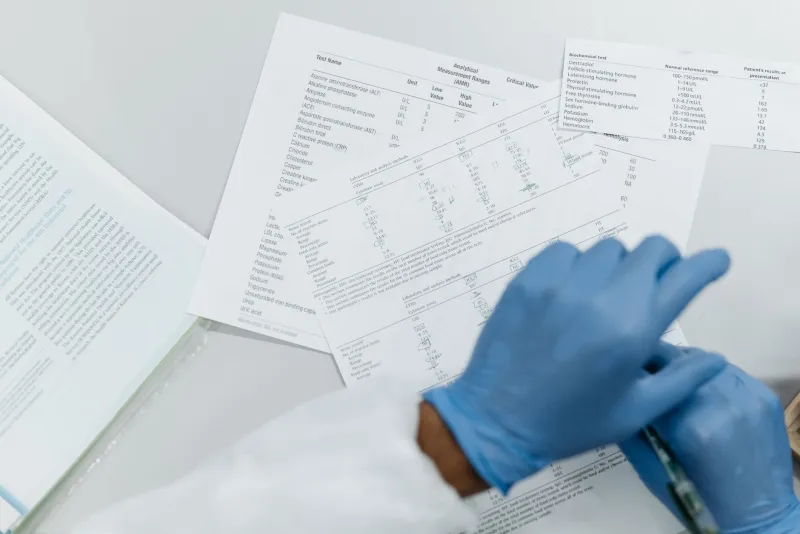
Then you get your bloodwork back.
Your doctor circles a few numbers in red — C-reactive protein still elevated, maybe a white blood cell count that looks a little stubborn — and suddenly you're second-guessing everything. Is keto actually helping you? Or is it just masking something deeper while the real problem keeps simmering?
Here's the truth: this situation happens a lot, and it doesn't automatically mean keto is failing you. It also doesn't mean you should ignore the labs. The real answer lives somewhere in between, and understanding the gap between subjective wellness and objective markers is one of the most important things you can do for your long-term health.
Why You Can Feel Amazing While Inflammation Lingers
The ketogenic diet has genuine anti-inflammatory properties. Beta-hydroxybutyrate — the primary ketone your body produces when you're in ketosis — has been shown in research to inhibit the NLRP3 inflammasome, which is basically one of the body's main inflammation-triggering pathways. Less NLRP3 activity means less of certain inflammatory cytokines floating around, which translates pretty directly into things like reduced joint pain, better skin, and improved energy.
So the relief you're feeling? That's real. Your body isn't lying to you.
But here's the catch: inflammation isn't a single thing. It's a sprawling, complicated system with dozens of different markers, pathways, and mechanisms. Keto can quiet down certain parts of that system while others stay elevated for completely unrelated reasons — chronic stress, poor sleep, a low-grade gut infection, environmental exposures, or even the rapid fat mobilization that happens early in a weight loss phase.
In other words, your bloodwork might be capturing a completely different slice of your biology than the one keto is actively improving.
Which Inflammatory Markers Actually Tell You Something Useful
Not all inflammation markers are created equal, and this is where a lot of people — and honestly, some doctors — get tripped up.
C-Reactive Protein (CRP) is the most commonly ordered test, but it's also one of the bluntest instruments in the toolbox. Standard CRP can spike from something as minor as a head cold or a hard workout the day before your blood draw. If your doctor is only running standard CRP and using it to flag your keto diet, that's not a complete picture.
High-Sensitivity CRP (hs-CRP) is a better option for tracking chronic, low-grade inflammation — the kind that's actually linked to cardiovascular disease and metabolic dysfunction. Ask for this one specifically.
Interleukin-6 (IL-6) and TNF-alpha are cytokines that give a more granular view of inflammatory activity, though they're not always included in standard panels. If you're serious about tracking inflammation, these are worth discussing with your doctor.
Fasting insulin and HOMA-IR are technically metabolic markers, but chronically elevated insulin is one of the biggest drivers of systemic inflammation. If these numbers are improving on keto — and they usually do — that's a meaningful signal even if your CRP hasn't budged yet.
Triglycerides and HDL are also worth watching. The triglyceride-to-HDL ratio is a surprisingly strong proxy for insulin resistance and cardiovascular inflammation risk. Most people see significant improvement in this ratio on keto, which is genuinely good news even when other markers look stubborn.
When to Trust Your Body — and When to Push Back on It
This is the part nobody loves to hear: your subjective experience, as real and valid as it is, can sometimes be misleading.
Feeling better doesn't always mean getting better at the cellular level. Pain relief, for example, can come from reduced mechanical stress on joints due to weight loss rather than any change in underlying inflammation. Better sleep might reflect improved blood sugar stability rather than a reduction in inflammatory burden. These are still good things — but they're not the same as fixing the root cause.
On the flip side, a single elevated marker on a single blood draw isn't a verdict. Context matters enormously. When was the test drawn? Had you been sick recently? Were you in an aggressive calorie deficit? Had you done a long workout in the 48 hours prior? All of these can temporarily push inflammation markers up without meaning anything is seriously wrong.
The smartest approach is to track trends over multiple tests rather than reacting to individual snapshots. If your hs-CRP is still elevated after six months of clean keto eating, good sleep, and stress management, that's worth a deeper conversation with your doctor. If it ticked up once during a stressful month at work, that's probably just noise.
How to Actually Optimize Keto for Systemic Inflammation — Not Just Symptom Relief
If your goal is to move those lab numbers and not just feel better day-to-day, a few targeted adjustments can make a real difference.
Lean into omega-3s. The ratio of omega-6 to omega-3 fatty acids in your diet has a direct impact on inflammatory pathways. A lot of keto eating in the US skews heavily toward omega-6-rich oils and conventionally raised meats. Shift toward fatty fish like salmon and sardines, use olive oil as your primary fat, and consider a high-quality fish oil supplement. This one change can move the needle on hs-CRP over time.
Don't neglect sleep. Even a week of poor sleep can significantly elevate inflammatory cytokines. Keto can improve sleep quality for many people, but if you're still burning the candle at both ends, no diet is going to fully compensate.
Watch your protein sources. Processed meats, even keto-friendly ones like certain deli cuts and packaged sausages, often contain additives and preservatives that can contribute to gut irritation and low-grade inflammation. Whole-food protein sources are almost always the better call.
Address gut health directly. The gut-inflammation connection is hard to overstate. If your microbiome is out of balance, it can sustain inflammatory signaling regardless of what you're eating. Non-starchy vegetables, fermented foods like sauerkraut and kimchi, and a quality probiotic can all support a healthier gut environment within a keto framework.
Manage cortisol. Chronic stress keeps cortisol elevated, and cortisol keeps inflammation elevated — it's a loop that keto alone can't break. Exercise (without overdoing it), time outdoors, and even basic mindfulness practices have measurable effects on inflammatory markers.
The Bottom Line
Feeling great on keto is meaningful data. Don't dismiss it. But it's also not the whole story, and treating your bloodwork as the enemy just because it doesn't match how you feel isn't the answer either.
The goal is to get both signals moving in the right direction — and with the right approach, you can. Focus on the markers that actually matter, track trends instead of reacting to single data points, and use the adjustments above to push your keto practice from symptom management into genuine systemic healing.
Your body and your labs should eventually be telling the same story. It just takes a little patience — and a little more precision than most people bring to their diet.