Drinking on Keto Without Blowing Up Your Progress: What You Actually Need to Know
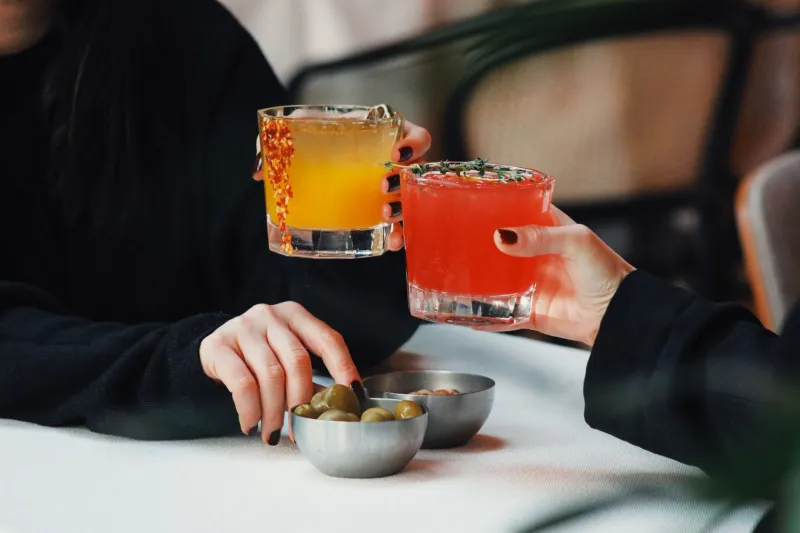
Let's be real. Life doesn't pause for your diet. Birthdays happen. Work happy hours pop up on a Tuesday. Your best friend gets engaged and suddenly there's a bottle of champagne on the table whether you planned for it or not.
For a lot of people doing keto, alcohol feels like this giant question mark. You've worked hard to get into ketosis, you're finally seeing results, and the last thing you want to do is blow it over a couple of drinks. But you also don't want to be that person sipping sparkling water in the corner while everyone else toasts.
Good news: you don't have to choose between your social life and your keto goals. You just need to understand what's actually happening in your body when you drink — and make smarter choices based on that.
What Alcohol Does to Ketosis (The Real Story)
Here's the thing most people don't realize: alcohol itself doesn't contain carbs (in its pure form), but it does something arguably more disruptive — it temporarily shoves fat burning to the back of the line.
Your liver treats alcohol as a toxin and prioritizes metabolizing it above everything else. That means while your body is processing that glass of wine or beer, fat oxidation essentially hits the pause button. You're not necessarily kicked out of ketosis, but you're not burning fat efficiently during that window either.
The other wrinkle? Keto tends to make you a cheaper date. Because glycogen stores are depleted on a low-carb diet, alcohol hits your bloodstream faster and harder than it would if you were eating a standard American diet. You'll feel the effects sooner, which also means you need to be more intentional about pacing yourself.
And then there's the morning-after problem. Hangovers hit noticeably worse on keto for a lot of people, largely because of faster dehydration and electrolyte loss. If you're not proactively staying hydrated and keeping your sodium, potassium, and magnesium levels up, a night of drinking can leave you feeling genuinely rough.
The Drinks That Won't Wreck You
Not all alcohol is created equal when you're living that keto life. The biggest variable is carbohydrate content, and some drinks are loaded with it.
Green-light options:
- Straight spirits — Whiskey, vodka, tequila, rum, gin, and bourbon all clock in at zero carbs when consumed neat or on the rocks. These are your safest bets at any bar in America.
- Dry wines — A standard 5-ounce pour of dry red or white wine typically contains 3–4 grams of carbs. Pinot Noir, Cabernet Sauvignon, Sauvignon Blanc, and Chardonnay are solid picks. Avoid sweet wines, dessert wines, and anything labeled "late harvest."
- Champagne and dry sparkling wine — A glass of brut champagne runs about 2–3 grams of carbs. Pop the cork, you're mostly fine.
- Hard seltzers (unflavored or low-sugar) — Options like White Claw and Truly have become a staple at American parties for a reason. Most run 2 grams of carbs or less per can. Just double-check the label — not all hard seltzers are created equal.
- Light beer — If you're a beer person, this is your compromise. Michelob Ultra (2.6g carbs), Bud Select 55 (1.9g), and Miller Lite (3.2g) are among the lowest-carb options out there.
Red-light options to avoid:
- Regular beer — A typical craft IPA or lager can carry 12–15 grams of carbs per can. That's a significant chunk of most people's daily limit in a single drink.
- Sweet cocktails — Margaritas, mojitos, piña coladas, Long Island iced teas, and anything made with juice, simple syrup, or soda are carb bombs. A single frozen margarita can contain 30–40 grams of carbs.
- Flavored liqueurs — Baileys, Kahlúa, Amaretto, and similar products are loaded with sugar. A single shot can set you back 10–15 grams of carbs.
- Hard ciders and wine coolers — These are essentially apple juice with alcohol. Skip them.
Mixing Without Wrecking It
If you want something beyond a straight spirit or a glass of wine, the mixer is where most people accidentally derail themselves. Soda water (not tonic — tonic has sugar), diet sodas, and a squeeze of fresh citrus are your best friends here.
A vodka soda with lime? Zero carbs, totally keto-friendly, and honestly pretty refreshing. A whiskey with a splash of diet ginger beer? You're good. A tequila with fresh lime juice and a little salt? That's a stripped-down margarita that works.
Just stay away from pre-mixed cocktails, anything that comes from a sugary syrup gun at the bar, and those colorful drinks that look like something you'd serve at a kid's birthday party.
Strategies for Staying on Track Socially
Knowing what to drink is half the battle. The other half is managing the social environment itself.
Eat before you go. Never drink on an empty stomach while on keto. A solid high-fat meal beforehand will slow alcohol absorption and give your liver some backup. Think avocado, cheese, eggs, or some fatty protein before you head out.
Have a drink in hand. One of the biggest social pressures around not drinking is constantly being offered something. If you've already got a sparkling water with lime or a vodka soda in your hand, people stop asking.
Set a number before you start. Decide in advance how many drinks you're having. Two? Three? Stick to it. Alcohol lowers your inhibitions — including your dietary ones — so making the decision while you're still sober is a smart move.
Alternate with water. For every alcoholic drink, have a glass of water. It keeps you hydrated, slows your consumption, and gives you something to sip between rounds.
Supplement your electrolytes. Before you go out and again before bed, make sure you're getting sodium, potassium, and magnesium. This one habit alone can make the difference between waking up feeling normal and waking up feeling like you lost a fight.
The Morning After: Damage Control
If things went sideways — maybe you had one more than planned, or someone handed you a cocktail you didn't realize was loaded with sugar — don't spiral. One night doesn't erase weeks of progress.
Get back on track with your next meal. Drink plenty of water. Go for a walk if you can manage it. And if you got knocked out of ketosis, just know that most people can get back into a fat-burning state within 24–48 hours of returning to clean keto eating.
The goal isn't perfection. It's sustainability. Keto works long-term when it fits your actual life — and for most Americans, that life occasionally includes a cold drink with good company.
Know your options, plan ahead, and enjoy yourself without the guilt trip.