Your Fitness Tracker Is Gaslighting Your Keto Progress — Here's the Proof
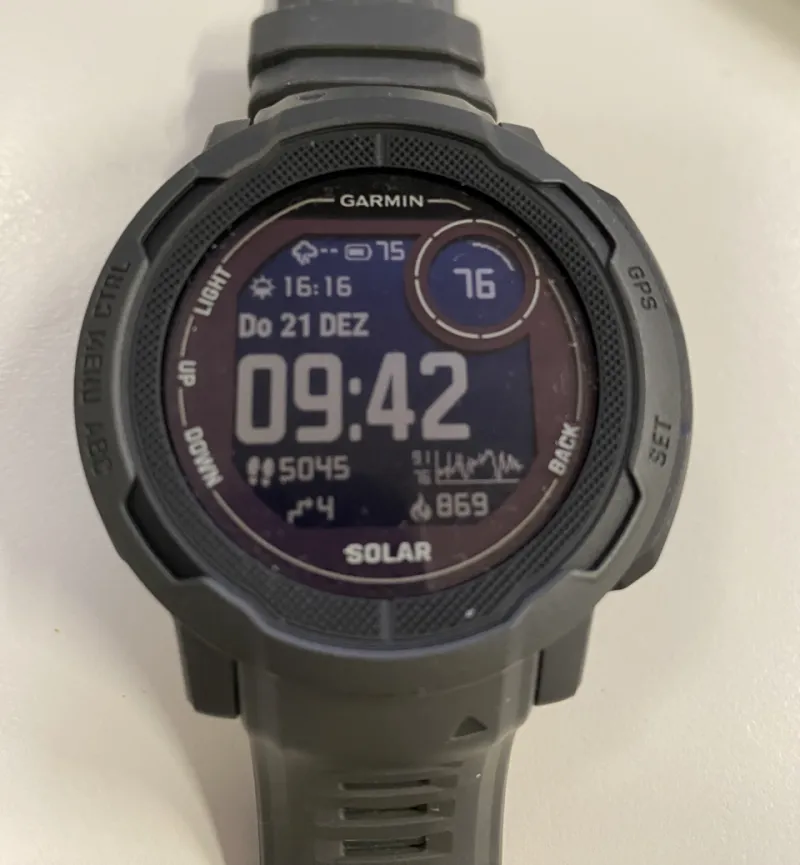
Photo: Mantelmoewe, CC BY-SA 4.0, via Wikimedia Commons
You just crushed a 45-minute elliptical session. Your smartwatch flashes 480 calories burned. You feel good about it — maybe even reward yourself with a keto fat bomb or a slightly bigger dinner. Sounds reasonable, right?
Here's the problem: that number is probably wrong. Like, embarrassingly wrong. And if you've been using it to guide your eating decisions on keto, it might be quietly wrecking your results without you ever knowing.
Let's talk about what's actually going on.
How Fitness Trackers Calculate Calorie Burn (And Why It's a Mess)
Most wearables — Fitbit, Apple Watch, Garmin, you name it — estimate calorie burn using a combination of heart rate data, movement patterns, your age, weight, and height. They plug these numbers into generalized algorithms developed from population-level research.
The key word there is generalized. These algorithms were built using data from average metabolisms eating average diets. They were not built with you — a person running on ketones instead of glucose — in mind.
A 2020 study published in the Journal of Personalized Medicine found that popular fitness trackers overestimated energy expenditure during exercise by anywhere from 15% to over 90% depending on the device and activity type. Ninety percent. That's not a rounding error — that's a completely different workout.
The Keto Metabolism Problem Trackers Can't Account For
When you're in ketosis, your body has fundamentally changed how it produces and uses energy. You're burning fat as your primary fuel instead of glycogen. Your resting metabolic rate may shift. Your heart rate response to exercise can change, especially in the early weeks of keto adaptation.
This is where trackers really fall apart.
Heart rate is one of the primary inputs these devices use to estimate calorie burn during cardio. But here's the thing — heart rate and calorie burn don't have a fixed relationship. It varies based on fitness level, hydration, stress hormones, caffeine intake, and yes, your metabolic state.
Keto-adapted individuals often have a lower heart rate at the same exercise intensity compared to their carb-fueled counterparts. Why? Because fat oxidation is a more efficient process for certain activities, and your cardiovascular system adapts over time. When your tracker sees a lower heart rate, it thinks you're working less hard and dials down the calorie estimate. But that's not necessarily true — you may actually be burning more fat per minute than the algorithm assumes.
Conversely, during the first few weeks of keto, some people experience elevated resting heart rates due to electrolyte shifts and reduced insulin levels. Trackers may interpret this as higher activity and overestimate burn. Either way, you're getting bad data.
Cardio Estimates Are the Worst Offenders
Steady-state cardio — walking, jogging, cycling, the elliptical — is where trackers perform their worst. These activities look predictable on paper, but calorie burn is influenced by factors no wrist sensor can detect: your VO2 max, your muscle fiber composition, how well you've adapted to fat burning, and your actual metabolic efficiency.
Strength training is even harder for these devices to estimate. Most trackers don't handle resistance exercise well because heart rate spikes are brief and irregular. Studies suggest they can be off by 30–40% for weight training sessions — and that's for standard metabolisms. Add keto adaptation to the mix and you've got a number that's essentially fictional.
The Compensation Trap
Here's where this gets really dangerous for your keto progress: you adjust your eating based on what your tracker tells you.
You burn 300 calories on a run (according to your watch), so you feel okay having a slightly more generous dinner. Except you maybe burned 180. Do that a few times a week and you've created a calorie surplus that explains exactly why the scale isn't moving — even though your macros look perfect.
This is a version of what researchers call "compensation behavior" — and it's one of the most common reasons people plateau on keto despite doing everything right on paper.
So What Should You Actually Do?
First, stop treating your tracker's calorie numbers as gospel. Use them as a rough directional signal at best — something that tells you whether you moved more or less than yesterday, not an exact accounting of energy expenditure.
Here are more reliable ways to track your actual progress:
Use body measurements, not just the scale. Tape measure around your waist, hips, and thighs every two weeks. This gives you real data about fat loss that no algorithm can fake.
Track energy and performance. Are your lifts going up? Are you walking faster? Do you feel better at the end of a workout than you did a month ago? These are real indicators of metabolic fitness.
Get a DEXA scan. If you're serious about knowing your body composition, a DEXA scan (available at many sports medicine clinics and some gyms) gives you accurate fat mass vs. lean mass data. Do it every 3–6 months instead of obsessing over daily tracker data.
Log food consistently, not reactively. Don't eat more because your watch told you to. Stick to your keto macro targets based on your actual goals, not as compensation for a workout number that may be wildly inaccurate.
Trust your hunger cues. One of the genuine benefits of keto is that it tends to stabilize hunger hormones. If you're not genuinely hungry after a workout, you probably don't need to eat back those "calories burned."
The Tracker Isn't Useless — Just Misunderstood
None of this means you should throw your Garmin in a drawer. Trackers are genuinely useful for monitoring sleep quality, resting heart rate trends, step counts, and overall activity patterns. These metrics can tell you a lot about recovery, stress load, and general lifestyle habits.
Just stop trusting the calorie burn number like it's a bank statement. On keto especially, your metabolism is doing things that a consumer-grade algorithm simply isn't equipped to measure.
The real fitness tracker that matters? How you look, how you feel, and how well you perform. Those numbers don't lie.